
כשמדובר בהקלת חיפושי מוצרים, אמזון עולה על מנועי החיפוש והמדיה החברתית. על פי מחקר של וונדרמן תומפסון, 57% מהצרכנים פונים היישר לאמזון כאשר הם מחפשים מוצר, לעומת 31% המשתמשים במנועי חיפוש. כמו כן, הפיכת מוצרים לנגישים בקלות לקונים היא גורם חשוב, שצוטט על ידי 45 אחוז מהצרכנים האמריקאים. כלול סרגל חיפוש השלמה אוטומטית וקטגוריות וקטגוריות משנה בניווט של האתר שלך. ניתן להציג מוצרים קשורים לצד המוצרים, מה שהופך אותם לגלויים יותר למשתמשים.
מהם היתרונות של קניות באינטרנט?
הנוחות של קניות באינטרנט ברור. במקום לנסוע מחנות לחנות, אתה יכול לגלוש מאות מוצרים מבלי לעזוב את הנוחות של הבית שלך. לחנויות מקוונות רבות יכולות קניות בלחיצה אחת, כך שתוכלו לרכוש את הפריטים הדרושים לכם בכמה לחיצות בלבד. אתה יכול לחסוך כסף גם בגז, מכיוון שקמעונאים רבים מקבלים פייפאל או ביטקוין. יתר על כן, אתה יכול לבחור לשלם באמצעות כרטיס האשראי או החיוב שלך. אתה יכול אפילו לשלם עבור הסחורה במטבע המקומי שלך.
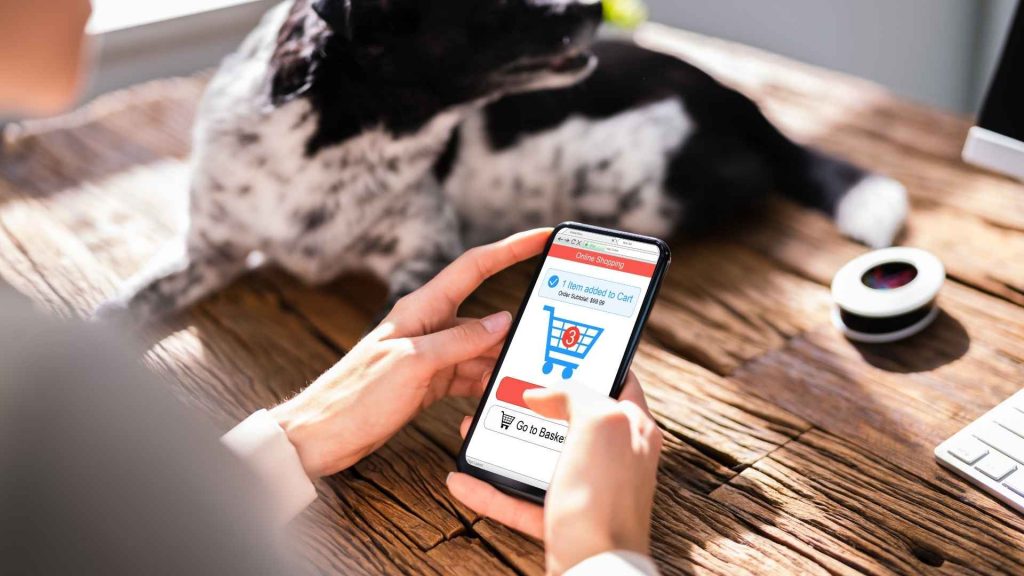
נוחות. החלק הטוב ביותר של קניות באינטרנט הוא שאתה לא צריך לעזוב את הבית או המשרד. כל מה שאתה צריך זה מחשב, חיבור אינטרנט יציב וכרטיס אשראי או חיוב. יתרון נוסף הוא שאתה לא צריך לשאת מזומנים. ניתן להשתמש בכרטיס חיוב או בכרטיס אשראי כדי לבצע את התשלום. עם זאת, עליך לשמור על תקציב קפדני, מכיוון שבזבוז יתר עלול להוביל לחובות ופשיטת רגל.
מוצר באיכות טובה. חשוב לנסות על בגדים לפני שאתה קונה את זה, כמו גודל והתאמה לא יהיה זהה עבור כולם. בנוסף, אם אתה קונה פריט כרטיס גדול, כגון מכונית חדשה או משקפיים, זה חיוני כדי לנסות על הרכישה שלך לפני שתבצע את ההחלטה הסופית. חנות פיזית גם מאפשרת לך לגלוש במעברים של תוצרת ולהשוות תוויות.
מהי החשיבות של קניות באינטרנט?
כיום, רוב האנשים מעדיפים לקנות באינטרנט מסיבות רבות. קניות מקוונות הופכות את רכישת הפריטים ממדינות שונות לנוחה יותר. מוצרים רבים אינם נמכרים בארץ המוצא, אך עם התקדמות טכנולוגיית האינטרנט ניתן לרכוש פריטים אלה באופן מקוון. זה עושה קניות עבור פריטים הרבה יותר קל, במיוחד עבור אנשים עסוקים או קשישים. היתרונות של קניות באינטרנט הם אינסופיים. הנה רק כמה. כדי להתחיל, זה חוסך זמן.
נוחות. קניות באינטרנט גם מאפשר לך לבצע השוואות בין מוצרים. קניות באינטרנט חוסך גם את הזמן ואת הגז. אתה יכול לחפש סרטון הדרכה כדי ללמוד על מוצר. זה גם מאפשר לך להשוות מחירים, מה שעוזר לך לחסוך כסף. לבסוף, קניות באינטרנט רכבות לך להיות קונה חכם. על ידי ביצוע טיפים אלה תוכלו להפיק את המרב מקניות מקוונות. ישנם יתרונות רבים של קניות באינטרנט, אבל יש כמה חסרונות, מדי.
ראשית, קניות באינטרנט הוא בטוח יותר. זוהי אופציה נהדרת עבור מטיילים, שכן אתה יכול לקנות מן הנוחות של הבית שלך, ללא צורך להתמודד עם הטרחה של ניווט חלונות ראווה צפופים. יתר על כן, חנויות מקוונות רבות אין מיקומים פיזיים. לחלק מהמותגים הגדולים יש חנויות דגל רק בערים הגדולות, וחברות קטנות יותר זמינות רק באינטרנט. על ידי רכישת מוצרים באינטרנט, אתה תומך אלה קמעונאים קטנים יותר.
מה כדאי לדעת לפני קניות באינטרנט?
בעוד הנוחות של קניות באינטרנט הוא ללא תחרות, אתה צריך גם להשתמש בשכל הישר. היזהר מאתרים שנראים טובים מכדי להיות אמיתיים-סביר להניח שהם כן. ואל תמהר להסכים לרשימות דואר אלקטרוני או לניוזלטרים, מה שעשוי להיות סימן להונאה. קרא תמיד ופעל לפי התנאים וההגבלות בקפידה כדי להגן על פרטיותך. אתה יכול גם לבדוק אם המוכר מאפשר החזרות או אם יש להם ערבות עבור המוצרים שלהם.
תמיד חנות באתר מאובטח. חפש סמל נעילה בשורת הכתובת או בסמל המנעול בפינה השמאלית העליונה של הדפדפן. בנוסף, השתמש תמיד בכתובת אתר ולא בכתובת אתר רגילה. אתה יכול לדעת אם אתר מאובטח על ידי סמל המנעול. כמו כן, אתרים מאובטחים יהיו "ים" בכתובת האתר, ואילו אלה לא מאובטחים יהיו קידומת עם <url>.